


Depression: Why Do We Fall, Sir? So We Can Learn to Pick Ourselves Up Again. (Batman)
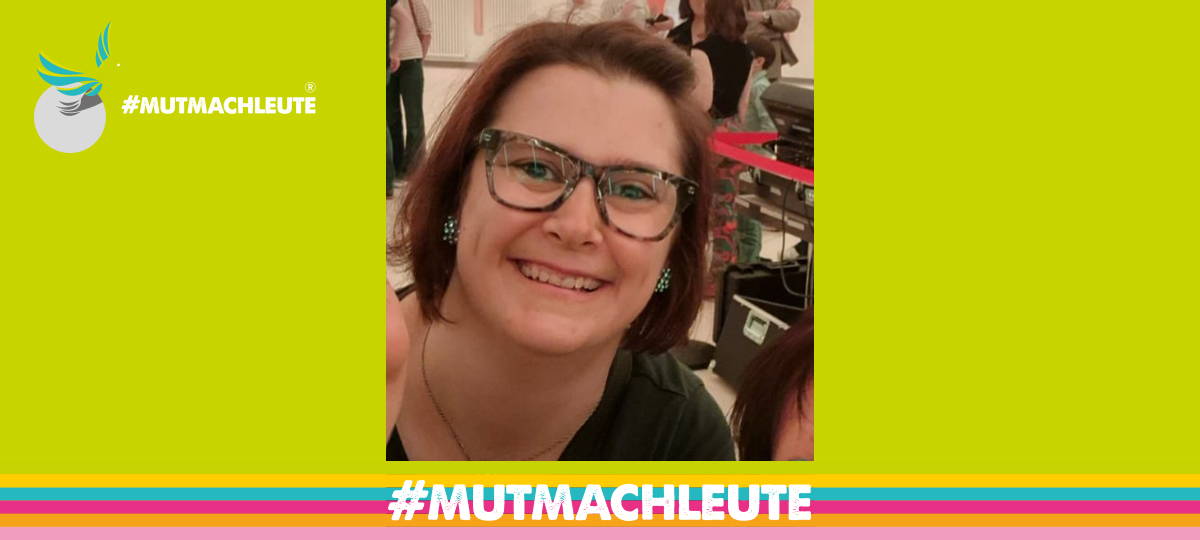
Person affected: Stephie Bertram
Year of birth: 1987
Diagnosis: Moderate to severe depression
Treatment: Five-week inpatient stay at a psychosomatic clinic
Personal resources: Reading, painting, photography
How and when did you find out about your illness?
I didn’t notice it myself for a long time. One evening, my husband and I were sitting at the table. I was in a bad mood again and crying, and he asked me whether I might be experiencing burnout, as he knew the symptoms from a good friend of his. I then consciously started writing down all my symptoms, and the list was long. First, I went to my GP and asked for help. That was in September 2022. He told me straight away that I had reached my limit.
Fortunately, through my mother-in-law, I was able to find a psychiatrist relatively quickly. For a long time, I resisted the idea of going into rehabilitation and taking antidepressants, but eventually, the day came when nothing worked anymore.
Today, four years later, my medication is relatively well adjusted, I have more or less regained control of my life and I’m able to work. It turned out not to be burnout, but depression. For me, though, the distinction made no difference. All I knew was that something was wrong with me.
Until that day came, I was still working full-time. How I managed that, I honestly don’t know. I simply kept functioning.
The hardest thing for me was that I could no longer look after and raise our children properly. I was constantly irritated. I shouted a lot (but I NEVER hit them!!!!) and just wanted to run away. Everything was too much for me. I wasn’t myself anymore. I couldn’t even sort socks, and when shopping, my brain couldn’t process the shopping list or work out where to find things in the store. I was hyperventilating and had to leave the shop.
At times, I couldn’t even drive anymore. Only very short distances were manageable.
And one thing I struggled with for a long time was this: Depression at 35? Surely that’s something that only happens to people who have worked hard and been through a lot their entire lives.
At least, that’s what I thought until then. But apparently, that was a misconception …
For the first time in my life, I was financially dependent on someone else. Fortunately, my husband earns enough to make up for my loss of income.
Today, I’ve come to terms with it, and I’m absolutely certain that switching to part-time work was the right decision.
Why have you decided to show your face and share your story?
I think it’s incredibly important to break the stigma surrounding mental illness. Unfortunately, society still hasn’t fully understood that mental health conditions need to be taken seriously, even when you can’t see them.
Fortunately, I have always had the support of my family, something not everyone has. I simply want to show those who feel alone that they are not alone. I want to encourage others to seek help. There is always a way forward, even if you can’t see it straight away. Back then, among other things, I was no longer able to look after our two children and was terrified of being admitted to a psychiatric hospital.
Fortunately, that didn’t happen.
But I had reached a point where I didn’t know how or even whether I would manage everything. Now, almost four years later, I can say this: Seek help, even when it’s difficult.
How did the people around you react when they found out about your illness, and how would you like them (and society as a whole) to approach your condition?
The people around me had probably noticed that something was wrong even before I did, as I know several people with depression myself. So I received a great deal of support and had many conversations. That’s why, for example, I don’t attend group therapy or anything similar (apart from during rehabilitation).
What I would like from society is for people to take those affected seriously. Depression isn’t simply sadness or having a bad day.
What has helped you most in accepting your illness?
Having many conversations with my family. At first, I found it very difficult to accept that I could no longer work full-time, for example, because after just five hours my brain simply shuts down. It feels as though there’s a knot in my head.
Of course, this also meant earning less and becoming more dependent on my husband and the people around me. I was brought up to be independent, and suddenly I couldn’t even manage the simplest things, such as going shopping. At times, my husband had to take over. For someone on the outside, this is probably hard to understand. Well, then the husband just does the shopping. So what? But for me, it was a terrible feeling. I felt helpless, too. I couldn’t drive or do the laundry anymore, either.
What personal resources do you draw on in times of crisis?
Talking to my mother-in-law. She understands me completely and is a tremendous source of support.
Meditation
What would you like to tell other people affected by mental illness?
There is no shame in asking for help, even if it just means talking to a friend about it first. Good friends stand by you, especially and above all when times are tough.
That’s what true friendship is all about.
Asking for help isn’t a sign of weakness, but of strength – and the first step towards hope and an improved quality of life.
Being open about my illness is important. From the very beginning, I was honest with my family and, above all, my employer. I was amazed by how positively he reacted, as someone in his own family had once experienced depression, someone I would never have expected. That person is confident, has a full and active life and always speaks their mind.
What would you like to say to family members and loved ones? How can they best support you while also looking after themselves?
Don’t give up. Unfortunately, at some point during my depression, I almost completely stopped getting in touch with my friends, even though they kept trying to arrange meetings and stay in contact. I only realised this afterwards, when I was able to think relatively clearly again.
I’m incredibly grateful that they never gave up on me and never judged or looked down on me because of it.
During my rehabilitation, one of my oldest friends sent me a message that really touched me: “We’ve been friends for over 30 years, and I hadn’t realised you were depressed and feeling so bad.” But how could she have noticed when I hadn’t even realised it myself for such a long time?
What defines your character, and which personal qualities do you value most about yourself?\Emathy
Kindness
Stephie is on Instagram: chaos_im_kopf_kunterbunt and Facebook: Stephie Bertram